

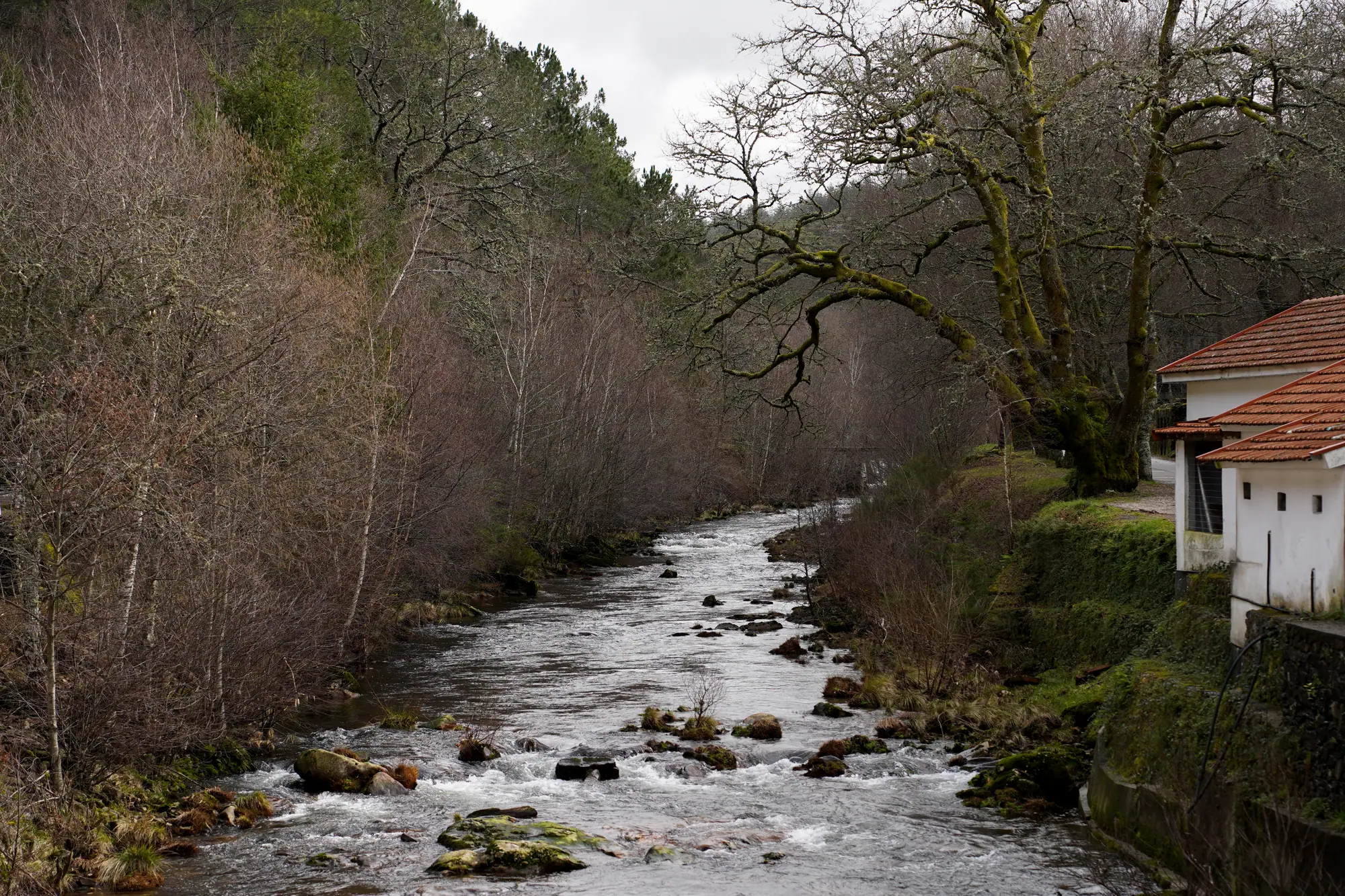
Sustainability
Mina da Borralha is a project that integrates the 3 pillars of sustainability
The three pillars of sustainability
At Mina da Borralha, the three pillars can be read together from the design stage. The technical solutions seek to reduce and monitor environmental impacts; the social component links employment, local development and participation; and the economic dimension rests on adding value to a strategic resource and on regional development.
Environmental
Reducing the impacts of the activity on natural resources, using water and energy efficiently, protecting biodiversity and restoring the territory.
See pillarSocial
Looking after workers, suppliers and communities: decent conditions, participation, opportunities and benefits that make sense in the territory.
See pillarEconomic
Ensuring a viable and resilient activity, capable of generating value, employment and innovation without doing so at the expense of people or the environment.
See pillarEnvironmental Pillar
At Mina da Borralha, environmental sustainability begins long before mining does. It is present in the choice of location, in the mining method and in the solutions planned to manage and monitor the main impacts of the activity.
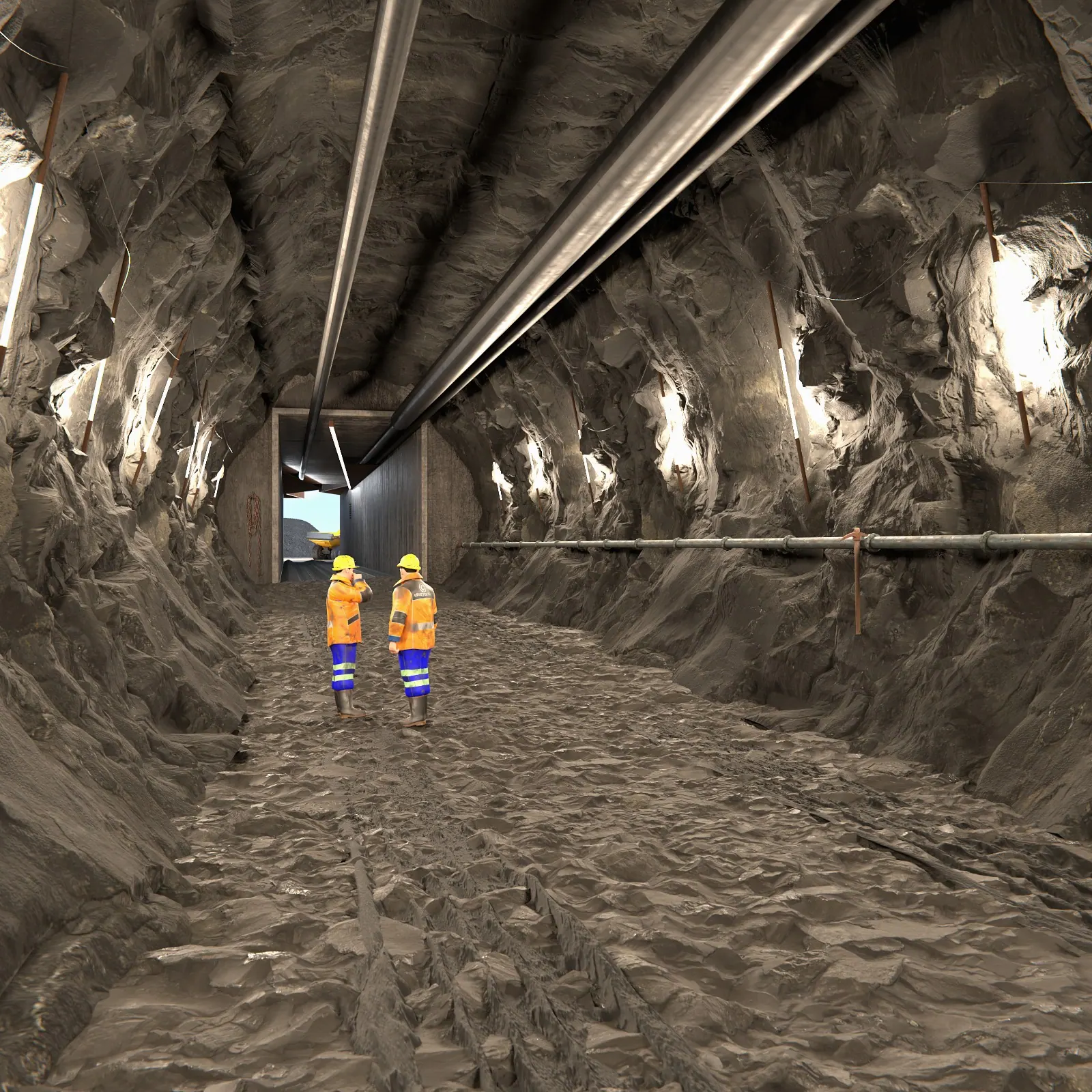
Mining will be underground, reducing intervention at the surface, and the main infrastructure will be located mostly in areas already altered by the former mining activity. Water management, monitoring of air quality, noise and vibration, biodiversity monitoring and environmental and landscape restoration have been part of the project since its conception.
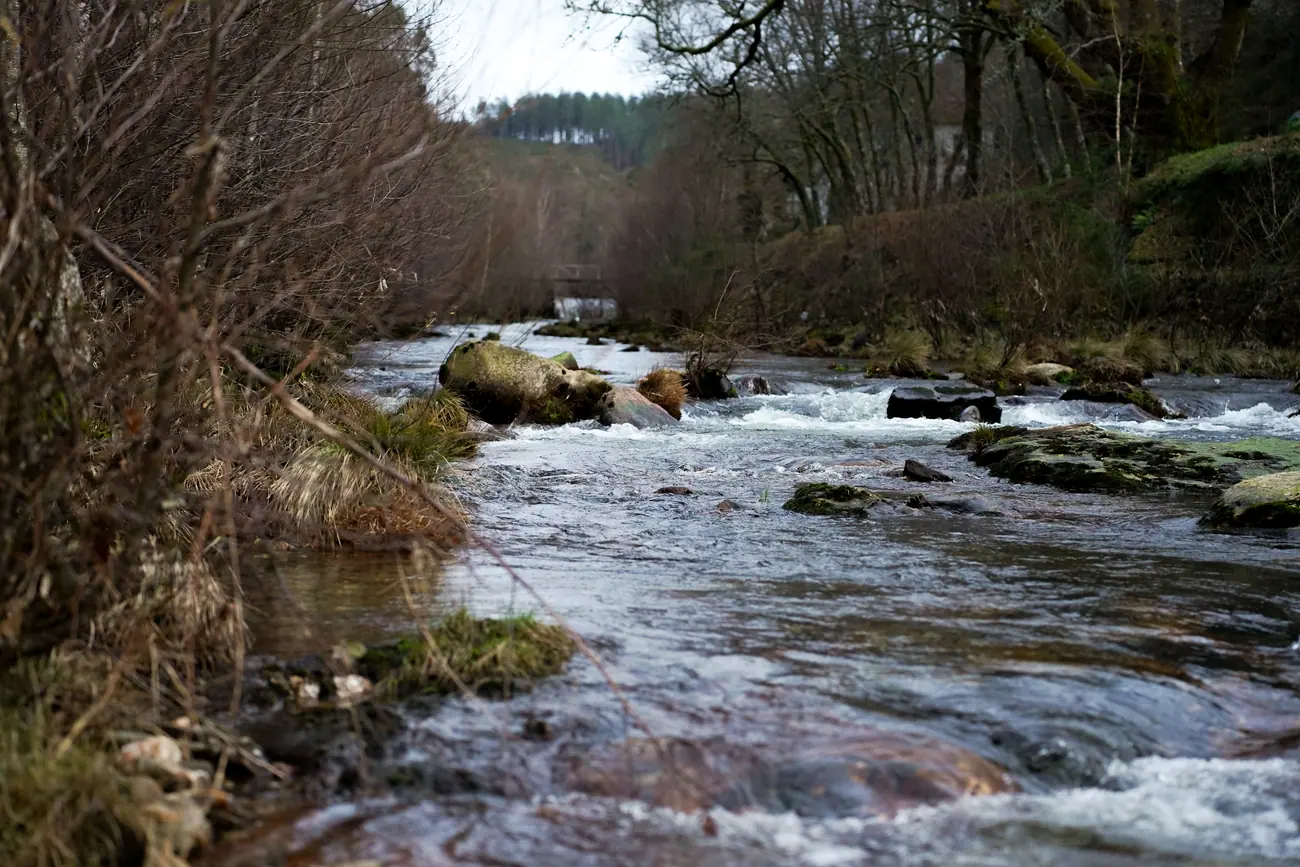
Water at the centre of environmental management
Water from the mine will be treated and reused in the operation in a closed circuit, with rainwater retention structures and two Wastewater Treatment Plants also planned. The project does not foresee any water abstraction from the Amiar stream.
Knowing in order to protect
Biodiversity is tracked through specific monitoring programmes. For the Iberian wolf, a main area of continuous monitoring of around 400 km² has been defined, using camera trapping, surveys for signs of presence, genetic analyses, listening stations and acoustic recording.
and after
Restoring what comes from the past as well
The project acknowledges the liabilities left by the former operation and plans restoration measures, including work on old waste rock dumps, the environmental and landscape rehabilitation of the Amiar stream and one of its tributaries, and a programme of landscape integration and restoration throughout the life cycle of the mine.
Technology, Environment & Sustainability
The environmental approval of the Mina da Borralha Project is based on in-depth technical studies carried out by specialized teams and rigorously assessed by the competent authorities. This process established clear criteria for development, monitoring, and territorial protection, ensuring a solid framework for all phases of the project.
The project incorporates current technologies and advanced management systems that enable efficient use of resources, continuous operational control, and ongoing monitoring of the surrounding environment. The digitalization of processes and the integration of environmental data ensure evidence-based decision-making and continuous improvement.
Water plays a central role. Mechanisms are planned for the systematic monitoring of water resources and for environmental enhancement actions, including the restoration of the Amiar stream and the responsible management of historical liabilities associated with the former mine.
Air quality, noise, and vibrations are monitored through procedures aligned with current best practices, ensuring strict compliance with legal limits and transparency in the communication of results.
Environmental monitoring is presented as a tool for assurance and verification, enabling continuous tracking, adjustment, and improvement, with information made accessible to the community.
Economic Pillar
Generate value today. Build capacity for tomorrow.
The economic sustainability of Mina da Borralha is not measured by the viability of the operation alone. It is also measured by the capacity to create jobs, stimulate suppliers, develop skills and integrate the territory into a value chain that is strategic for Portugal and for Europe.
The reactivation of the mine provides for an underground tungsten operation, with additional production of copper and tin concentrates, a planned capacity of around 500 thousand tonnes of ore per year and an estimated operating period of 15 years.
A strategic raw material for Europe
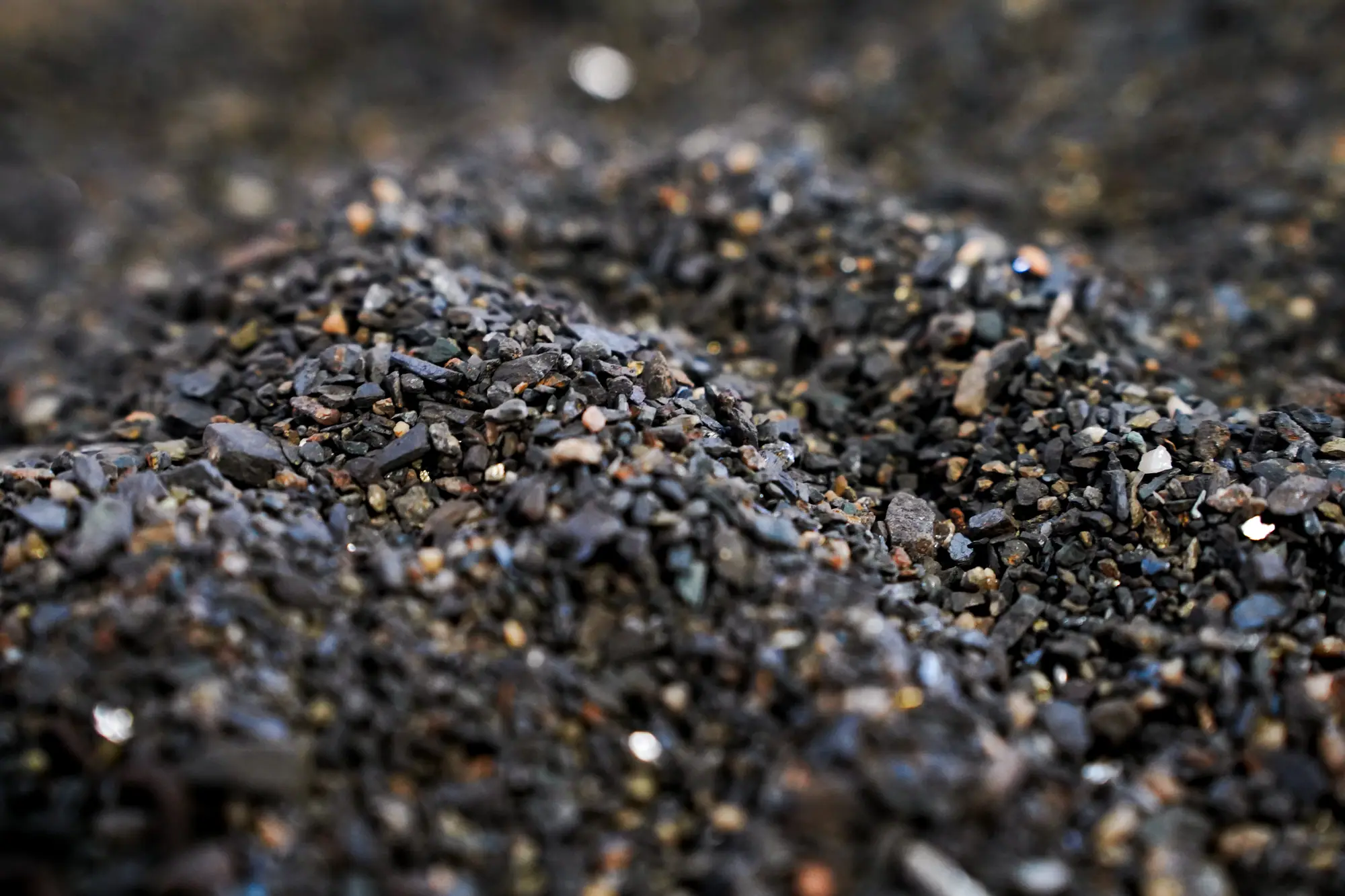
Tungsten belongs to the group of raw materials considered critical and strategic for Europe. The Environmental Impact Assessment places the Borralha project within the European strategy to strengthen and diversify the supply of these raw materials, which are essential to the digital, green and energy transition.
Value tied to the territory
Job creation, the hiring of local suppliers and the development of new skills allow economic activity to have effects beyond the operation itself. The aim is to contribute to a more skilled and resilient economic fabric and to a closer connection between the territory and European critical raw material value chains.
Commitment is measured over time
The project is at the licensing stage. What can be assessed today, therefore, is the coherence between the planned technical solutions, the mitigation and compensation measures and the monitoring systems. Sustainability will be the basis of the entire execution. And the following questions will be the permanent compass of the whole project.
- 01Are water quality and availability remaining within the defined objectives?
- 02Are the monitoring programmes detecting changes and leading to effective responses?
- 03Are employment and local hiring turning mining activity into regional economic capacity?
- 04Is the Social Development Programme producing benefits the community can recognise?
- 05Are landscape restoration and the work on old liabilities leaving a territory better prepared for the future?
A new cycle for a territory with history
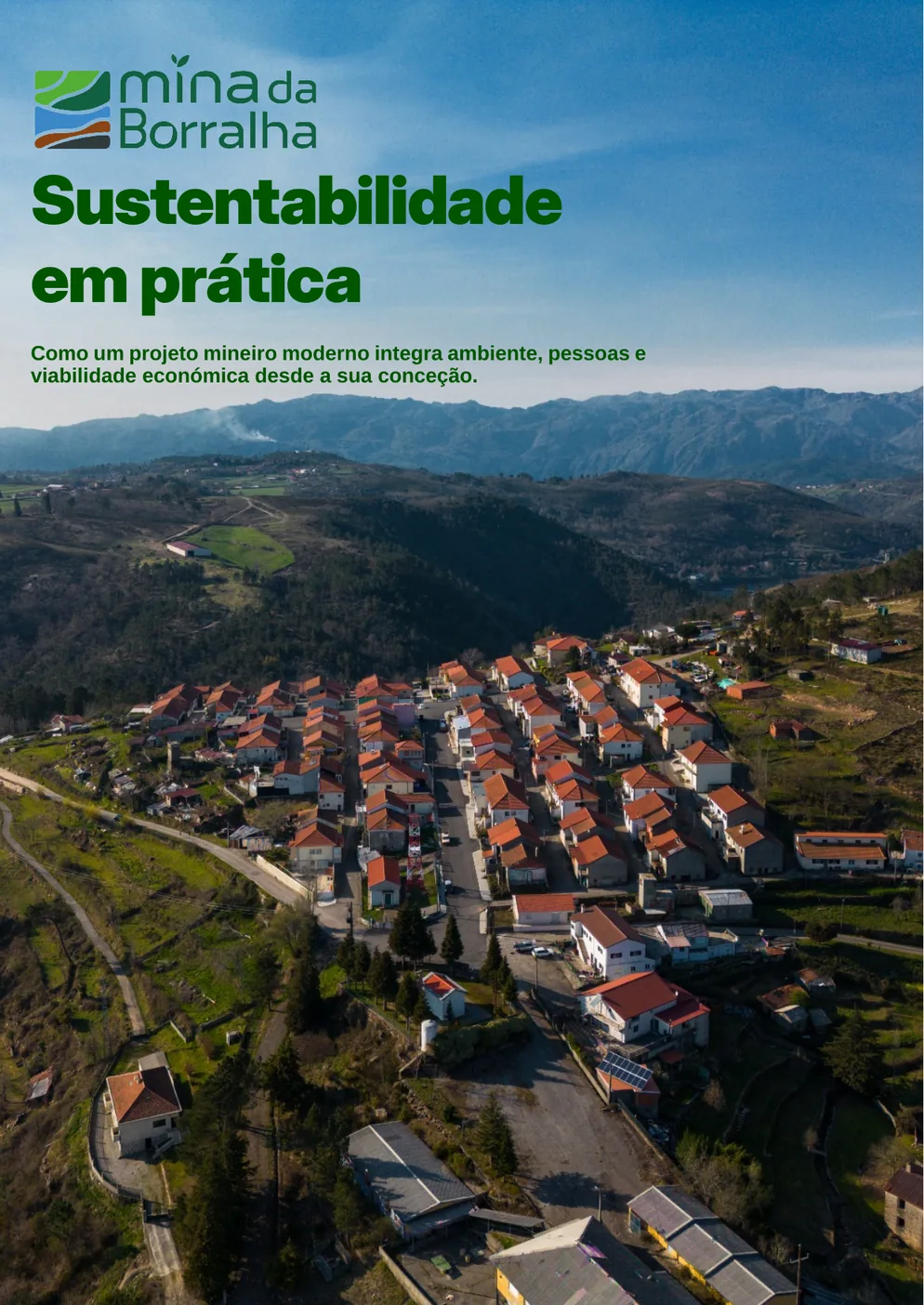
To access all the information, download our sustainability brochure.
Social Pillar
The social impact of Mina da Borralha goes beyond job creation. The aim is for the activity to help generate opportunities, strengthen skills and create lasting benefits for the territory.
The project foresees approximately 116 direct jobs, in a continuous three-shift operation. Whenever new needs arise, the Environmental Impact Assessment recommends drawing on the local population and on goods and services supplied by companies in the region.
Development beyond employment
A Social Development Programme is planned, covering areas such as training and skills development, essential services, education, housing, local infrastructure and social, economic and environmental development.
Sharing and participation
The concession contract also provides for a Benefit Sharing Plan with the Municipality of Montalegre, the Parish of Salto and the Village of Borralha. Alongside this, participation and monitoring mechanisms are planned, including the Stakeholder Engagement Plan, the Social Impact Management Plan, the Monitoring Committee, the Information Centre and the Social Observatory.
The aim is for the presence of the mine to help strengthen the economic and social capacity and resilience of the territory, creating conditions that remain beyond the period of operation.